Shacklewell man and van tips for pickups on Shacklewell Road
If you're arranging a local pickup and want it done without the usual faff, these Shacklewell man and van tips for pickups on Shacklewell Road will help you plan properly, avoid awkward loading delays, and keep the whole job calm from the first knock on the door to the last item in the van. Shacklewell Road can be busy, tight in places, and a bit unforgiving if you turn up unprepared. The good news? A few sensible choices make a big difference.
This guide is for anyone moving a few bulky items, collecting furniture, clearing a flat, or booking a flexible local move. You'll find practical advice on access, timing, packing, parking, safety, and how to choose the right approach for your pickup. It's the kind of detail people usually only learn after one messy attempt - better to get it right first time, really.
Table of Contents
- Why this matters on Shacklewell Road
- How a local pickup usually works
- Key benefits and practical advantages
- Who this is for and when it makes sense
- Step-by-step guidance
- Expert tips for better results
- Common mistakes to avoid
- Tools, resources and recommendations
- Law, compliance, standards and best practice
- Options and comparison table
- Case study or real-world example
- Practical checklist
- Conclusion
- Frequently asked questions
Why Shacklewell man and van tips for pickups on Shacklewell Road Matters
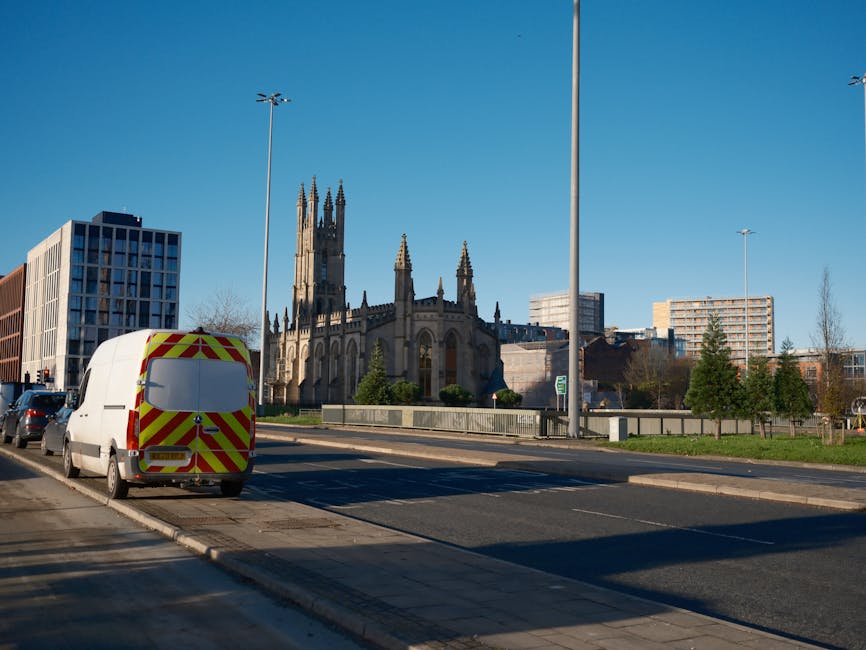
Local pickups look simple on paper. In practice, the difference between a smooth job and a stressful one is often just planning. Shacklewell Road sits in a part of London where traffic, limited stopping space, shared access, and tight loading windows can all affect how quickly a van can stop, load, and move on. If you underestimate those small things, you can end up carrying heavy furniture further than expected or paying for extra time while everyone stands around wondering where the best stopping point is.
That's why local knowledge matters. A good pickup is not only about lifting and driving. It's about checking access, timing the journey properly, protecting items, and making sure the van can get as close as possible without causing hassle for neighbours or the driver. In our experience, most of the avoidable problems happen before the van arrives. Not during the lift. Before it.
It also matters because a pickup often sits in the middle of a wider move. You might be collecting a sofa from a seller, moving student furniture into a new flat, or clearing the last few bits from storage. If the first part of the chain goes badly, the rest of the day gets knocked off balance. And nobody needs that, especially not on a damp weekday morning when everyone's already a bit rushed.
How Shacklewell man and van tips for pickups on Shacklewell Road Works
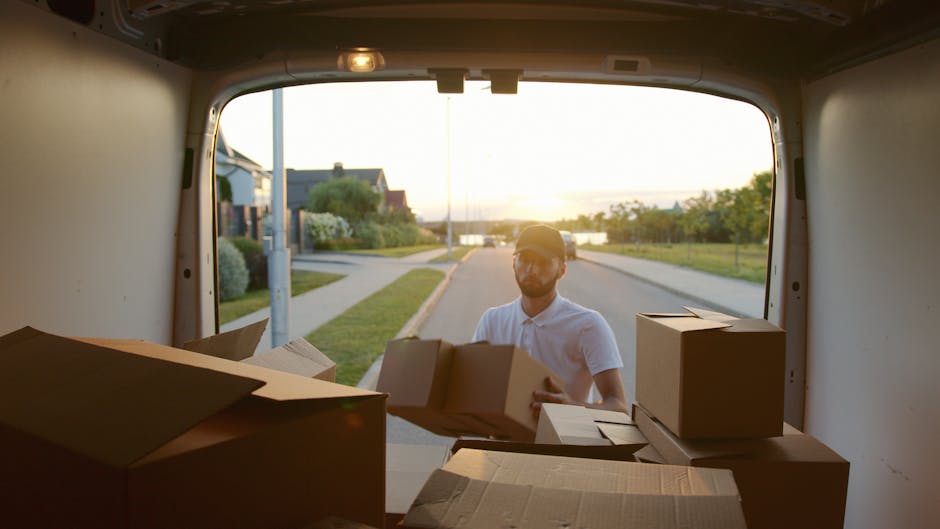
A local man and van pickup usually follows a straightforward pattern: you book the vehicle and helper, share what needs collecting, agree the time and access details, and then the team turns up to load the items and transport them to the next location. Simple enough. But the quality of the job depends on the details you provide and the conditions on the day.
The process normally starts with a quick assessment of the load. That could be a single armchair, a few boxes, a bed frame, or a mixed collection from a flat. The driver or mover needs to know roughly how large, fragile, or awkward the items are. If it's a narrow staircase, a top-floor walk-up, or a roadside pickup with limited stopping space, that changes the plan. Honest information upfront saves time later.
For Shacklewell Road pickups, timing is often the real deciding factor. A slot that works at 10:30 in the morning might be much trickier at school-run time or when traffic is building. A van that can pull in briefly and load efficiently is usually ideal. If you are dealing with a building entrance, shared frontage, or a busy stretch of road, the crew may need to park a little further away and work quickly with trolleys or hand carries. Not glamorous, but very normal.
If you are moving more than a simple collection, services like removal services, man and van, or removal van support can be a better fit than trying to improvise with a smaller hire vehicle. For larger or more involved jobs, it may also make sense to look at removals or even moving truck options, depending on the volume and the access.
Key Benefits and Practical Advantages
There are a few reasons people stick with a local man and van for pickups, especially around Shacklewell Road.
- Flexibility: ideal for single-item collections, partial loads, and small moves.
- Local responsiveness: easier to arrange around traffic, access, and short-notice changes.
- Less waste: you only book the space and help you actually need.
- Faster loading: a well-prepared pickup can be completed quickly, which reduces disruption.
- Practical support: useful when items are too heavy, awkward, or fragile for a solo trip.
One of the biggest advantages is psychological, if that's not too grand a word for it. When a pickup is organised properly, you feel in control. The day stops being a guessing game. You know who is arriving, what they're carrying, and roughly how long the job should take. That calm feeling matters more than people admit.
There's also value in choosing a service suited to the job rather than overbuying. A huge vehicle for two chairs is unnecessary. A tiny van for a bulky wardrobe is a headache waiting to happen. Matching the vehicle to the pickup is one of the easiest ways to save time and prevent damage. If you're comparing options, pages like man with a van and man with van can help you understand the style of service you need before you book.
Who This Is For and When It Makes Sense
This approach makes sense for plenty of everyday situations. Not every pickup needs a full-scale move, and not every job should be treated like one. A local man and van setup is often the sweet spot.
- Furniture buyers: collecting second-hand furniture from a seller on or near Shacklewell Road.
- Tenants and flat-sharers: moving a handful of items between rooms, flats, or storage.
- Students: transporting boxes, bags, desks, or compact furniture between term-time addresses.
- Homeowners: clearing bulky items before redecorating or replacing furniture.
- Small businesses: moving stock, office chairs, archived boxes, or equipment.
- Anyone with a tight deadline: especially if the item needs collecting the same day.
It also makes sense if you don't have the right vehicle, don't want to wrestle with stairwells and doorframes alone, or simply want the peace of mind that comes with having another pair of capable hands. To be fair, that last reason is often enough on its own.
For student or temporary moves, student removals and flat removals can be useful if your pickup sits inside a bigger move rather than standing alone. If it's only one or two pieces, though, a well-planned local collection may be all you need.
Step-by-Step Guidance
Here's the simplest way to organise a better pickup on Shacklewell Road.
- List everything clearly. Write down each item, including size, condition, and whether it can be dismantled.
- Check access at both ends. Think about stairs, lifts, narrow halls, doorway widths, and where a van can stop.
- Choose your timing carefully. Avoid obvious rush periods if you can, and give yourself a small buffer.
- Protect the items properly. Use blankets, bubble wrap, tape, or edge protection where needed.
- Prepare the pickup point. Clear hallways, move obstacles, and make sure the item can be reached easily.
- Share contact details. If the seller, landlord, porter, or office contact needs phoning, make that clear in advance.
- Confirm the route. If parking or stopping is awkward, decide where the van should aim for before the day starts.
- Stay available. Keep your phone nearby in case the mover needs a quick check on access or item details.
That sounds basic, but basic is what saves time. One customer-style scenario we see often is a sofa collection where the item was "easy to move" until it reached a narrow landing with a sharp turn. Suddenly it's not easy anymore. A little planning on measurements would have changed everything. Happens all the time.
If the pickup includes boxed items, a helping hand from packing and boxes or packing and unpacking services can make the load much safer and quicker to handle.
Expert Tips for Better Results
Good pickup work is usually about small decisions. Here are the ones that matter most.
Measure more than once
Check the item, the hallway, the lift, the stairwell, and the vehicle space. If one measurement is tight, assume it will feel tighter on the day. People often measure the sofa and forget the bend in the stairs. That's the bit that catches everyone out.
Break down the job into load order
Load the heaviest and sturdiest pieces first, then use softer items to fill gaps and stabilise the stack. This helps prevent movement in transit and makes unloading quicker. It also reduces the chance of scratches, which is always a pleasant surprise when it doesn't happen.
Choose an arrival window, not a rigid fantasy
Local traffic can be unpredictable, and Shacklewell Road is no exception. A small buffer makes a job more realistic and less stressful. If the collection is tied to a building access slot, make sure the van booking fits around that window rather than against it.
Use the right support for fragile or heavy items
Glass, mirrors, marble tables, old radiators, and pianos need more care than standard boxes. If the pickup is unusually delicate, specialised support such as piano removals or careful furniture removals may be the safer choice.
Keep the path clear
This is so simple it's easy to ignore. A clear route from the property to the van saves real time and reduces the chance of knocks, trips, and awkward pauses in the doorway. It also makes the job feel more professional, even if it's just a quick pickup.
Have a backup plan
If parking is temporarily blocked or the seller is running late, know what you'll do next. Could the item wait safely indoors? Is there another loading point nearby? Would a later slot be easier? A little flexibility can rescue the day. Truth be told, it often does.
Common Mistakes to Avoid
Most pickup mistakes are avoidable. That's the frustrating bit. Here are the usual culprits.
- Underestimating item size: especially with wardrobes, sofas, and beds that are bigger in real life than they look in photos.
- Forgetting access details: stairs, lifts, gated entrances, loading restrictions, and narrow roads all matter.
- Poor packing: loose tape, weak boxes, and unprotected corners cause damage very quickly.
- Assuming the van can stop anywhere: it can't, not always, and certainly not always conveniently.
- Booking too tightly: one delayed handover can domino into the rest of your day.
- Not checking payment terms: always understand the quote, timing, and what is included before you commit.
Another common one is failing to separate "can be moved" from "should be moved as-is". Some pieces are technically liftable but not sensible to move without dismantling or wrapping. There's no award for struggling through it. Better to stop, adjust, and do it properly.
If the job involves one-off collections or disposal of old items, a planned furniture pick up can save you from trying to shoehorn everything into a car boot and hoping for the best. We've all seen that scene. It's never as neat as the driver imagined.
Tools, Resources and Recommendations
You do not need specialist equipment for every pickup, but a few simple tools help a lot.
- Measuring tape: for item dimensions, doorway checks, and stair turns.
- Stretch wrap and blankets: useful for protecting surfaces and keeping drawers shut.
- Strong tape and marker pens: for sealing and labelling boxes.
- Gloves with grip: handy for awkward or slippery items.
- Furniture sliders or a sack truck: helpful on smooth floors or for heavy boxes.
- Box cutter or small tool kit: useful for dismantling furniture if needed.
If your pickup is part of a bigger move, it may be worth looking at home moves, house removals, or house removalists rather than treating it as a standalone collection. The right service depends on what you're actually moving, not just what sounds convenient at the time.
For business users, office removals and commercial moves are more suitable if the pickup includes desks, filing, IT kit, or stock. A local van can still be the right vehicle, but the planning needs to be more structured.
And if the timing is tight, same-day removals can be a practical fallback for last-minute collections or urgent clearance jobs. Not ideal for every situation, but very handy when plans change in the afternoon.
Law, Compliance, Standards, or Best Practice
For local pickups, the most relevant practical issues are road safety, insurance, item handling, and fair service terms. You do not need to turn into a legal expert, but you do want to know the job is being handled properly.
Good practice normally includes:
- Clear communication: accurate item descriptions, access notes, and collection times.
- Suitable insurance: especially where goods are being carried on your behalf or value is meaningful.
- Safe lifting and loading: reducing risk to people, property, and vehicles.
- Transparent pricing: so there are no surprise extras after the job is done.
- Respect for neighbours and property: careful parking, sensible noise, and tidy loading.
If you are comparing providers, it is sensible to review their insurance and safety, health and safety policy, and terms and conditions before booking. Those pages help you understand how the service is run and what standards apply. For pricing clarity, pricing and quotes is the natural place to start.
Sustainability can matter too, especially if you're clearing usable items or packaging. If recycling or re-use is part of the job, a look at recycling and sustainability can be helpful.
Practical takeaway: treat a pickup like a small logistics job, not just a lift-and-go. Clear details, safe handling, and the right vehicle are what keep the day moving.
Options, Methods, or Comparison Table
If you are unsure which option fits your pickup, this comparison should help. It's not about picking the "best" service in a vacuum; it's about matching the method to the job in front of you.
| Option | Best for | Strengths | Watch-outs |
|---|---|---|---|
| Man and van | Single items, small collections, short local jobs | Flexible, fast, usually cost-conscious | Not ideal for very large or complex loads |
| Removal van | Medium pickups with a bit more volume | More space, easier stacking, practical for mixed items | May be more than you need for one item |
| Removal services | Bulkier loads, larger homes, planned moves | Structured support, better for multi-item logistics | Can be more involved than a simple pickup |
| Same-day removals | Urgent collections or late changes | Speed and adaptability | Availability may be tighter at busy times |
| Storage | When the item cannot be delivered immediately | Gives breathing room, useful between addresses | Extra cost and another step to coordinate |
If the pickup is just a few pieces, a van-based collection is often enough. If it starts to look like a flat's worth of belongings, then a bigger plan is easier on everyone. You'll notice the difference almost immediately once loading begins.
Case Study or Real-World Example
Here's a realistic example. A renter in Shacklewell arranges to collect a sofa, a coffee table, and several boxes from a seller near Shacklewell Road. On the face of it, straightforward. But the property is on an upper floor, the hallway is tight, and the road outside has limited room to stop for long. If they arrive without planning, the pickup drags on. The seller is waiting, traffic builds, and the moving helper is forced to carry items further than expected.
Now compare that with a prepared version of the same job. The renter has measured the sofa, checked the stairwell, confirmed the collection time, and kept the path from the flat clear. The van is scheduled for a sensible window, the item is wrapped, and the team knows the best stopping point before arrival. The load is done quickly, everyone keeps moving, and the sofa gets delivered without a chipped leg or a bruised wall. Nice and tidy.
That's the point of planning. It doesn't remove all friction, but it removes most of the avoidable friction. And in local work, that's often the difference between a job that feels easy and one that feels like a small personal ordeal.
Practical Checklist
Use this checklist before your pickup on Shacklewell Road.
- Have I confirmed exactly what is being collected?
- Do I know the dimensions and approximate weight of the main items?
- Have I checked stairs, lifts, and doorway widths?
- Is there a clear place for the van to stop, even briefly?
- Have I set a realistic time window?
- Are fragile items wrapped or protected?
- Have I dismantled anything that will move better in parts?
- Do I have contact details for everyone involved?
- Have I checked the quote, payment terms, and any extra charges?
- Do I need storage, unpacking, or another service after the pickup?
If you can tick most of those off, you're in good shape. If a few boxes are still blank, pause and sort them before the van arrives. It saves effort. Honest to say, it saves a lot of effort.
Get a free quote today and see how much you can save.
Conclusion
A well-run pickup on Shacklewell Road is rarely about luck. It's about preparing the load, understanding local access, choosing the right vehicle, and keeping the job realistic. Once those pieces are in place, the rest tends to fall into line. You get fewer delays, less lifting stress, and a far cleaner handover from point A to point B.
If you're collecting furniture, shifting a few boxes, or managing a more involved local move, the smartest approach is the one that fits the actual job. Not the fanciest one, not the biggest one - just the one that works. And that, in the end, is what a good local pickup should feel like: simple, steady, and quietly under control.
Take your time with the planning, ask the useful questions, and don't be afraid to choose a service that makes life easier. A smooth pickup can set the tone for the whole move, and that is a genuinely good feeling.
Frequently Asked Questions
What should I tell a man and van driver before a pickup on Shacklewell Road?
Tell them what you're collecting, how big the items are, whether anything is fragile or heavy, and what the access is like at both ends. Include stairs, lifts, parking issues, and any timing restrictions. The more accurate the details, the smoother the pickup usually goes.
Is Shacklewell Road difficult for pickups?
It can be, depending on the time of day and the exact property access. Like many London roads, stopping space can be limited and traffic can change quickly. That does not make pickups impossible, just worth planning carefully.
What size van do I need for a small pickup?
For a single item or a few boxes, a standard man and van setup is often enough. If you have a sofa, a bed frame, or multiple bulky pieces, a larger removal van may be more suitable. If in doubt, describe the items in detail rather than guessing.
How can I make loading faster?
Clear the path, wrap fragile items, dismantle furniture where possible, and have everything ready before the van arrives. Even moving a few small obstacles out of the hallway can save several minutes. Sometimes more than you'd think.
Can I book a same-day pickup?
Yes, sometimes. Availability depends on the day, the load, and how busy the schedule is. Same-day removals can be useful for urgent collections, but it's best to book as early as possible if timing matters.
Should I use storage if I'm not ready for delivery?
If the pickup and drop-off don't line up neatly, storage can be a sensible bridge. It gives you breathing room, especially during tenancy changes, refurbishment, or delayed access. It's not always necessary, but it can make a messy move much calmer.
What if the item won't fit through the door?
That's where accurate measuring matters. If the item is close to the limit, dismantling may be the answer. If it still won't fit, a different route, different lift angle, or a specialist service may be needed. Better to find out before the van is parked outside.
Are furniture pickups different from full removals?
Yes. Furniture pickups are usually smaller, quicker, and more flexible. Full removals involve more planning, more items, and more coordination. If you only need one or two items moved, a furniture pickup is usually the better fit.
How do I compare quotes for a local pickup?
Check what is included, whether loading help is part of the price, how waiting time is handled, and whether there are extra charges for stairs or awkward access. A cheap quote is not always the best one if it leaves out the things you actually need.
What if I need to move office items or stock instead of household furniture?
For business items, look for support that suits the load and the timing. Office chairs, filing, devices, and stock often need a more organised approach than a simple household pickup. Services like office removals or commercial moves can be a better match.
Do I need special help for a piano or very heavy item?
Usually, yes. Pianos and similar items are awkward, heavy, and easy to damage if handled the wrong way. Specialised help is worth it because the risk is higher and the loading method matters much more than with standard furniture.
How do I know if a company is trustworthy?
Look for clear terms, sensible safety information, transparent pricing, and straightforward communication. Reviewing pages such as about the team, insurance, and safety policies can help you feel more confident. You want a service that answers questions properly, not one that dodges them.