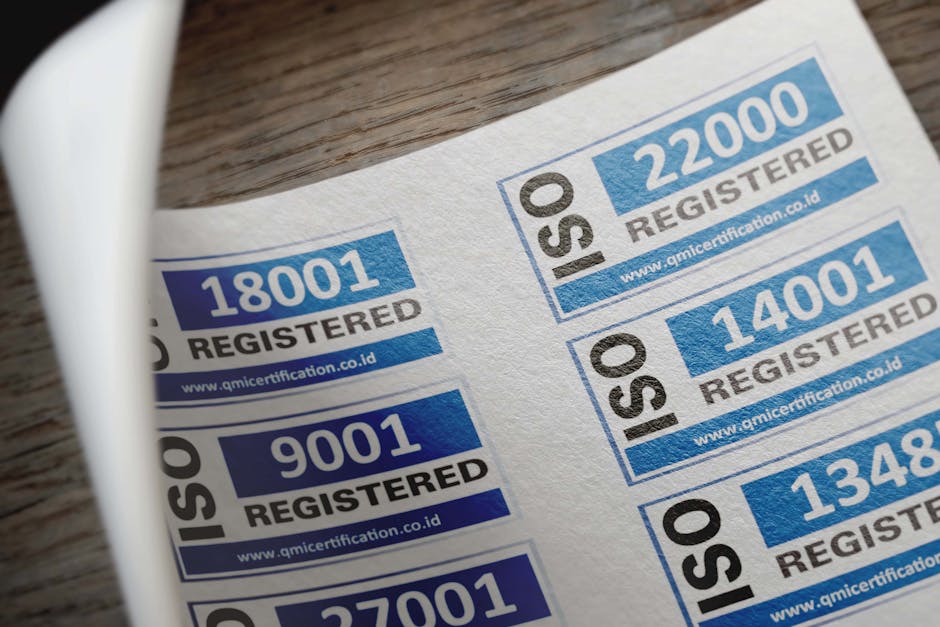
Licensed insured removals Shacklewell: why certification matters
If you are planning a move in Shacklewell, one of the first things worth checking is whether your removals provider is properly licensed, insured, and backed by clear certification standards. It sounds a bit dry at first, but in real life it can be the difference between a smooth moving day and a headache that lingers for weeks. Licensed insured removals in Shacklewell matter because they help protect your belongings, your property, and your peace of mind. And when you are dealing with stairs, tight roads, awkward parking, and the usual last-minute surprises of a London move, that reassurance is not a luxury.
This guide breaks down what certification means, how it works, why it matters so much, and what to check before you book. We will also cover practical risks, common mistakes, and the kind of questions people often forget to ask until it is too late. If you want a move that feels organised rather than chaotic, you are in the right place.
Table of Contents
- Why certification matters
- How licensed insured removals work
- Key benefits and practical advantages
- Who this is for and when it makes sense
- Step-by-step guidance
- Expert tips for better results
- Common mistakes to avoid
- Tools, resources and recommendations
- Law, compliance, standards and best practice
- Options and comparison table
- Case study or real-world example
- Practical checklist
- Conclusion
- Frequently asked questions
Why certification matters
Certification matters because a removals job is not just about having a van and a pair of strong arms. It is about operating with proper insurance, safe processes, clear accountability, and a professional standard that reduces risk for everyone involved. In a place like Shacklewell, where many moves involve flats, narrow access, shared hallways, and time-sensitive parking, the quality of the service really shows.
Let's face it: most people do not think much about certification until something goes wrong. A scratched floor. A dropped cabinet. A delay because the vehicle was unsuitable. Or the awkward moment where nobody is sure whose insurance actually covers the damage. Certification and proper insurance do not remove every risk, but they do make the process more defensible, more predictable, and much less improvisational.
For customers, certification is also a trust signal. It tells you the removals company has taken the time to set up properly, follow recognised practices, and work in a way that supports safety and professionalism. That matters for home moves, flat removals, house removals, and even smaller jobs such as a quick man and van booking.
Expert summary: if a removals firm cannot clearly explain its insurance, safety procedures, and operating standards, treat that as a warning sign. In removals, clarity is never a bad thing.
What certification usually tells you
- The business has a formal structure rather than a casual setup.
- There are procedures for handling goods, lifting, transit, and customer care.
- Insurance arrangements are more likely to be in place and properly explained.
- You have a clearer route for complaints, claims, and service expectations.
That last point is especially useful. A company that can talk plainly about responsibility is usually easier to work with when pressure is on.
How licensed insured removals work
Licensed insured removals work by combining three things: legal or operational compliance where relevant, active insurance cover, and professional handling of the move. In plain English, the company should be able to move your items without guessing its way through the job.
Here is the general flow. First, the customer requests a quote and explains the type of move. Then the removals provider assesses the load, access, timing, and any special items. A proper company may ask about stairs, parking, fragile goods, large furniture, or anything awkward, because those details change the plan. After that, the move is scheduled with the right vehicle, people, and equipment. On the day, the team should arrive prepared, carry out the work carefully, and keep communication simple and direct.
When certification is taken seriously, it usually shows up in the small details. Protective materials are used correctly. Loading is done in a sensible order. Fragile items are separated. The route in and out of the property is considered. Even the person at the front door seems less flustered, which is always nice.
Insurance and certification are related, but not identical
This is where people sometimes get mixed up. Insurance protects against certain losses or damage, depending on the policy. Certification or licensing, on the other hand, points to the company's operating standards, competence, and compliance mindset. You want both. Insurance without professionalism can still leave you dealing with avoidable issues. Professionalism without proper insurance can still leave you exposed if something goes wrong.
If you are checking options, a trustworthy provider should be able to explain its insurance and safety approach in simple terms, not vague reassurances. You should not need a decoder ring to understand what is covered.
Key benefits and practical advantages
There are several practical reasons why people choose licensed insured removals in Shacklewell rather than going for the cheapest available option. Some are obvious. Some only become obvious after the move.
- Better protection for belongings: if items are damaged in transit or through handling, there is a clearer process for dealing with it.
- Reduced property risk: hallways, stairwells, lifts, floors, and door frames are less likely to suffer accidental damage when the crew works carefully and uses the right gear.
- Greater accountability: certified providers are easier to question, compare, and hold to agreed standards.
- Improved planning: a proper removals team tends to ask the right questions before moving day, which cuts out a lot of guesswork.
- Less stress: this one sounds soft, but it matters. A move is already disruptive. A reliable team makes the whole day feel more manageable.
There is also a commercial angle. If you are moving an office, shop stock, or specialist equipment, certification becomes even more valuable because business downtime is expensive. Commercial moves need tidy coordination, and nobody wants a rolling series of delays because the removals provider did not plan properly.
| What you get | Without certification or clear insurance | With licensed insured removals |
|---|---|---|
| Risk control | Unclear, often reactive | More structured and traceable |
| Damage handling | Arguments can happen | Clearer claims process |
| Planning | May be basic or rushed | Usually more considered |
| Customer confidence | Low to moderate | Much higher |
| Move-day experience | Can feel improvised | Usually calmer and smoother |
If you are comparing quotes, do not just look at the price line. Look at the whole package. Sometimes the "cheaper" option is only cheaper because it leaves out the very things that protect you.
Who this is for and when it makes sense
Licensed insured removals make sense for almost anyone moving property in Shacklewell, but they are especially useful in a few situations. If your items have value, your access is awkward, or your move has a tight schedule, certification matters more than ever.
It is particularly useful for:
- families doing a full home move
- people moving in or out of a flat, especially upper floors
- students moving between term-time addresses and storage
- businesses planning office removals
- anyone with furniture that needs extra care, such as beds, wardrobes, or antique pieces
- people who need same-day help because plans changed, as happens, well, more than people like to admit
There is a common misconception that certification only matters for large removals firms. Not really. Even a smaller move can go wrong if the provider has no real process. A one-bedroom flat with a tight staircase can be more awkward than a larger ground-floor house move. That is just life in London sometimes.
If you are moving a piano, heavy artwork, or awkward furniture, the stakes are higher again. In those cases, specialist piano removals or properly equipped teams are worth serious consideration.
Step-by-step guidance
If you want to choose wisely, follow a simple process rather than rushing into the first quote that lands in your inbox. It does not need to be complicated.
- Define the move clearly. List the property type, number of rooms, access details, and any awkward items.
- Ask about insurance. Do not accept a fuzzy answer. Ask what is covered, what is not, and how claims are handled.
- Check safety practices. A professional provider should be able to describe lifting methods, loading practice, and property protection.
- Compare more than price. Look at responsiveness, clarity, and whether the quote feels complete.
- Read the terms. That bit is not glamorous, but it can save a lot of confusion later.
- Prepare the property. Make sure access routes are clear and parking is organised where possible.
- Confirm the move plan. Double-check timing, contact numbers, and any fragile or high-value items.
One small thing, and it sounds obvious only after the fact: send photos if the company asks for them. A few quick images of stairs, entrances, and bulky furniture can make a big difference to planning accuracy.
If you need help with packing before move day, it can also be worth looking at packing and boxes or packing and unpacking services. These extras often reduce stress more than people expect.
Expert tips for better results
In our experience, the best removals jobs usually feel boring in the right way. Not exciting. Not dramatic. Just organised. That is what you want on moving day.
Practical tips that actually help
- Book early where possible: quality providers often get busy around month-end and weekends.
- Tell the truth about volume: underestimating how much you own is one of the fastest ways to create a messy move.
- Keep essentials separate: documents, chargers, medication, keys, and valuables should stay with you.
- Ask how furniture is protected: blankets, straps, covers, and floor protection are signs of a sensible setup.
- Check access at both ends: lift use, narrow entries, permits, and timing restrictions can all affect the job.
A useful rule of thumb: the more awkward the move, the more you should value process over price. That does not mean expensive is always better. It means cheap and unclear is often a false economy. The maths is less fun after a damaged sofa turns up.
If your move includes short-term overflow, a storage option can help keep things tidy. Storage is often the quiet hero of a move that would otherwise feel too rushed.
Common mistakes to avoid
A lot of removal problems are completely avoidable. They usually come from assumptions, rushed booking, or not asking enough questions. No shame in that, but it helps to know the patterns.
- Choosing on price alone: the lowest quote may omit insurance, labour, waiting time, or access planning.
- Assuming all insurance is the same: policies vary. A company should explain the basics clearly.
- Failing to disclose difficult access: stairs, no lift, long carries, and parking restrictions matter.
- Leaving packing too late: half-packed boxes on move day slow everything down.
- Not asking what happens if something is damaged: this is one of the most important questions, frankly.
- Forgetting the property rules: flats, managed buildings, and offices sometimes need specific access arrangements.
Another mistake? Thinking certification is just a badge for marketing. It is not. It should reflect how a company actually operates. If the paperwork says one thing and the day-to-day service feels random, trust your instincts.
Tools, resources and recommendations
You do not need fancy tools to plan a good move, but a few practical resources make life easier. A notebook works. A spreadsheet works. Even a good old-fashioned checklist on the fridge works. The goal is simply to keep the details in one place.
Useful things to prepare before booking
- a room-by-room inventory of what is moving
- photos of bulky or fragile items
- access details for both properties
- preferred moving dates and time windows
- a list of items that need special handling
On the provider side, it is sensible to review service and policy pages that explain how the business works. For example, you can look at health and safety policy, terms and conditions, and pricing and quotes to get a better feel for how a professional operation is structured. Those pages should not feel like legal fog. They should feel like plain English.
It is also sensible to check how the company presents itself publicly. An honest, straightforward about us page can tell you a lot about whether they are building long-term trust or just chasing the next job.
Law, compliance, standards and best practice
Without pretending every removals job is governed by the same framework, UK customers should expect a provider to follow relevant laws, insurance obligations, and best-practice standards for safety, employment, and transport. Depending on the type of work, there may also be specific duties around handling goods, operating vehicles, protecting staff, and managing risk.
In simple terms, compliance means the company is not winging it. It means there are procedures for safe lifting, vehicle use, customer information, payments, complaints, and data handling where needed. It also means the business should be willing to answer direct questions rather than hiding behind jargon.
For local customers, that matters in a very practical way. Shacklewell moves often involve public streets, shared access, neighbours, and timing constraints. A good removals provider should plan around that reality. If the team understands how to work in tight urban spaces, your move is far less likely to become a street-level drama.
Best practice also includes respectful handling of customers and workers. If a company has clear policies on safety, payments, privacy, complaints, and sustainability, that is usually a sign of a more mature operation. You may not think about these things during the quote stage, but they shape the whole experience.
Options and comparison table
People often compare a certified removals service with a cheaper informal option or a basic van hire arrangement. Sometimes the right choice is obvious. Sometimes it depends on the size and complexity of the move. Here is a plain-English comparison.
| Option | Best for | Strengths | Weak points |
|---|---|---|---|
| Licensed insured removals | Most home and business moves | Better protection, clearer accountability, safer handling | Can cost more than informal help |
| Man and van | Small moves, one-off items, lighter loads | Flexible, often cost-effective, quick to arrange | May be less suitable for complex or high-value moves |
| Truck or vehicle hire only | People who can load and drive themselves | Control over timing and budget | You take on most of the risk and labour |
| Informal assistance | Very light jobs | Simple, sometimes cheap | Often weak on insurance, planning, and accountability |
For many people, a professional removal services booking sits in the sweet spot. It is usually more reassuring than DIY and more structured than a casual lift-and-go arrangement. If your needs are small and straightforward, a man with a van approach can still make sense. The key is matching the service to the job, not forcing the job to fit the cheapest service.
Case study or real-world example
Here is a realistic example. A couple in Shacklewell needed to move from a top-floor flat into a small house nearby. Nothing outrageous on paper, but the staircase was tight, there was no lift, and the large wardrobe had to be dismantled. They initially looked at a very cheap option, then realised the quote did not clearly explain insurance or how bulky furniture would be protected.
They chose a licensed insured provider instead. Before the move, the team asked for photos, checked access, and confirmed which items needed disassembly. On the day, the move felt calm. Boxes were labelled, doors were protected, and the wardrobe was handled in sections rather than dragged through the hallway like a scene from a bad sitcom. There was a little delay with parking, because of course there was, but the crew had already planned around that.
The main lesson was not that the move was flawless. Few moves are. The lesson was that proper certification and insurance reduced uncertainty. Everyone knew who was responsible, what the plan was, and how any issue would be handled. That alone can save a lot of stress.
Practical checklist
Use this before you confirm your booking. It is short, but it covers the things that matter most.
- Have I confirmed that the removals company is licensed and insured?
- Have I asked what the insurance covers and what it excludes?
- Have I described access at both properties honestly?
- Have I listed fragile, oversized, or valuable items?
- Have I checked the quote for hidden extras or unclear wording?
- Have I reviewed the company's safety and terms information?
- Have I arranged parking, lifts, or building access where needed?
- Have I packed essentials separately?
- Have I booked any related services, such as packing or storage?
- Do I know who to contact on moving day if something changes?
If you can tick most of those off, you are already ahead of the game. And honestly, that feels good on the morning of a move.
Get a free quote today and see how much you can save.
Conclusion
Licensed insured removals in Shacklewell are about more than paperwork. Certification matters because it brings structure, trust, and accountability into a process that can otherwise become messy very quickly. Whether you are moving a flat, a family home, office equipment, or a single heavy item, the right provider should make the day feel organised and controlled rather than improvised.
If you remember only one thing, let it be this: a removals company should be able to explain its insurance, safety approach, pricing, and process without making you work for the answer. That simple standard weeds out a lot of problems before they start. And on moving day, that peace of mind is worth a lot.
Truth be told, a good move often looks uneventful from the outside. That is usually the sign it went well.
Frequently Asked Questions
What does licensed insured removals mean?
It generally means the removals company operates with the appropriate business permissions, carries relevant insurance, and follows professional handling and safety practices. The exact setup can vary, so it is wise to ask for a plain explanation before booking.
Why does certification matter when choosing a removals company in Shacklewell?
Certification matters because it usually indicates better structure, clearer accountability, and more reliable processes. In a busy local area with flats, stairs, parking constraints, and tight schedules, that can make a real difference.
Is insurance enough on its own?
Not really. Insurance is important, but it should sit alongside good planning, safe lifting, and professional conduct. A well-organised company with weak insurance is still a risk, and an insured company with poor service can still create problems.
How do I check if a removals company is properly insured?
Ask directly what cover they hold, what it applies to, and how claims are handled. A trustworthy company should be comfortable explaining this without jargon. If the answer is vague, keep asking.
Are licensed insured removals more expensive?
Often they cost more than informal help, but that is not always a bad thing. The price usually reflects better planning, safer handling, and stronger accountability. Sometimes paying a bit more is the cheaper option overall.
Do I need a licensed insured mover for a small move?
Even small moves can benefit from proper cover and a professional process, especially if the item is valuable, bulky, or awkward to move through a flat or narrow staircase.
What should I ask before booking?
Ask about insurance, access planning, pricing, packing support, cancellation terms, and what happens if something is damaged. Those questions are practical, not fussy. They help you compare providers properly.
Can I use a man and van service instead?
Yes, if the move is small and straightforward. A man with van or man and van service can be a good fit for lighter jobs. Just make sure the level of insurance and service matches what you are moving.
What if my move includes fragile or specialist items?
Tell the company in advance. Items like mirrors, antiques, instruments, or heavy furniture may need extra padding, handling, or specialist equipment. For example, furniture removals and specialist services are often better suited than a standard quick lift.
Does certification help with business or office moves too?
Absolutely. For workplaces, certification and proper insurance are valuable because they support smoother planning, lower disruption, and clearer responsibility if equipment or property is involved.
What is the biggest mistake people make when hiring removals help?
Choosing only on price and not asking enough questions. It is a common one. The quote may look attractive, but if the service is unclear or under-insured, the savings can disappear very quickly.
How far in advance should I book?
As early as possible, especially for weekends, month-end moves, or busy seasons. Good providers get booked up, and early booking gives you more time to prepare and compare quotes properly.
If you are planning a move and want a calmer, better-protected experience, start by comparing service details carefully. That little bit of homework pays off more often than not, and it can make the whole day feel a lot lighter.