Eco friendly removals Shacklewell donation and recycling tips
Moving house or flat in Shacklewell can feel like a small mountain of decisions: what to keep, what to donate, what to recycle, and what on earth to do with the bulky bits that never seem to fit neatly into a bin bag. If you are trying to make the process lighter on the planet as well as lighter on your nerves, Eco friendly removals Shacklewell donation and recycling tips can make a real difference. Done well, a greener move saves space in the van, cuts waste, and gives useful items a second life instead of sending them straight to disposal.
In practical terms, this is about planning before the packing starts. It is about sorting with intention, using local donation opportunities sensibly, and choosing recycling routes that actually work for the items you have. You do not need to turn the move into a full-scale sustainability project. But a few smart habits, honestly, go a long way.
Table of Contents
- Why Eco friendly removals Shacklewell donation and recycling tips matters
- How Eco friendly removals Shacklewell donation and recycling tips works
- Key benefits and practical advantages
- Who this is for and when it makes sense
- Step-by-step guidance
- Expert tips for better results
- Common mistakes to avoid
- Tools, resources and recommendations
- Law, compliance, standards, or best practice
- Options, methods, or comparison table
- Case study or real-world example
- Practical checklist
- Conclusion
- Frequently asked questions
Why Eco friendly removals Shacklewell donation and recycling tips Matters
Every move creates friction: packaging waste, duplicate furniture, old cables, broken hangers, mystery kitchen gadgets, and all the things you swore you would sort "later". Later arrives fast. Without a plan, good items get thrown away, recyclable materials get mixed with general rubbish, and the move becomes more expensive and more stressful than it needs to be.
Shacklewell sits in a busy part of London, where space is tight and access can be awkward. That changes the game a little. When a stairwell is narrow and parking is limited, every extra bag, box, or unwanted chair matters. Reducing volume before moving day can save time and make loading smoother. That is why a greener approach is not just about values; it is about practicality.
There is also a simple truth here: one person's unwanted item can be another person's useful purchase or donation. A sturdy table, a working lamp, or a clean set of boxes can often continue its life elsewhere. That is the heart of eco friendly removals. Less waste. Better use of what already exists. And, to be fair, a much tidier moving day.
If you are arranging a bigger household move, it can help to think in layers: keep, donate, recycle, and dispose responsibly. That structure is especially helpful if you are booking support through a service such as removals or looking at broader planning advice on recycling and sustainability.
How Eco friendly removals Shacklewell donation and recycling tips Works
The process is straightforward, but the order matters. First, you identify what you are actually taking with you. Then you decide what is worth donating, what can be recycled, and what truly has no further use. After that comes packing, transport, and final disposal where necessary. Simple on paper. Slightly less simple when you are standing in a room full of half-empty drawers, old chargers, and three nearly identical mugs.
In practice, a good eco friendly move usually follows four steps:
- Sort early. Do not leave decluttering until the night before. Start with storage cupboards, loft items, and furniture you already know you do not want.
- Separate by outcome. Make clear piles for donation, recycling, repair, resale, and rubbish.
- Protect reusable items. If something is going to donation, keep it clean and usable. If it is going into storage, use decent packing materials from the start.
- Move efficiently. The less unnecessary stuff you transport, the smaller the load and the smoother the job.
There is a helpful distinction between recycling and reusing. Recycling breaks materials down so they can be made into something new. Reuse keeps the item in circulation with minimal processing. In most home moves, reuse is the better first option because it avoids extra waste and usually saves more time. A slightly chipped mug? Maybe recycle if the material route allows. A clean sofa with life left in it? Donation is often the better first thought.
For items that are too bulky or awkward to handle yourself, it can be useful to look at support such as furniture removals or furniture pick up. Those pages are especially relevant when you need practical help shifting larger items out of the way before moving day.
Key Benefits and Practical Advantages
Eco friendly removals bring more than a good feeling. They can improve the whole moving experience in ways people often notice only after the fact.
- Less clutter to move. Fewer boxes and fewer surplus items mean quicker loading and unloading.
- Lower disposal pressure. You are not scrambling to throw everything out at once.
- Better use of time. Pre-sorting avoids last-minute decisions when the van is already outside.
- More responsible outcomes. Usable items are passed on instead of wasted.
- Cleaner packing. Good organisation means fewer damaged items and fewer forgotten corners.
There is also the emotional side. Moving is often attached to change, memory, and a little bit of resistance. Letting go of a dining chair, a child's old wardrobe, or office furniture that has served its time can feel oddly personal. A donation or recycling plan makes that process gentler because it gives each item a next step. Not everything needs a dramatic farewell, thankfully.
If you are moving from a flat, especially in a building with tight access, the benefits are even clearer. Less clutter means simpler handling and less time spent wrestling with awkward pieces on the stairs. In those cases, flat removals can be a sensible fit for the logistics involved.
Who This Is For and When It Makes Sense
This approach suits almost anyone moving in or out of Shacklewell, but it is especially useful if you fall into one of these groups:
- Households with accumulated clutter. If cupboards have quietly filled over the years, eco sorting stops the move becoming a dumping exercise.
- Flat movers. Stair access, narrow hallways, and limited storage make volume reduction especially valuable.
- Students. Student moves often involve compact spaces, short deadlines, and items that are cheap to replace but still reusable. A small amount of sorting helps a lot.
- Families upsizing or downsizing. These moves often involve furniture decisions, toys, books, and mixed-condition household items.
- Small businesses. Office moves generate equipment, archives, chairs, and packaging that need a proper plan.
It also makes sense whenever you are short on time but do not want to waste useful things. Truth be told, most people are not trying to become perfect recyclers. They just want a move that is tidy, respectful, and not wasteful.
For students and smaller loads, a more flexible option such as student removals or man and van can pair neatly with an eco-friendly declutter because it keeps the job compact and manageable.
Step-by-Step Guidance
Here is a practical way to organise a greener move without making it a second job.
1. Start with one room, not the whole property
Open every cupboard in one room and make decisions room by room. If you try to sort the whole home at once, your focus goes thin. Start with the loft, under-bed storage, or the spare room. These areas usually hide the most obvious non-essentials.
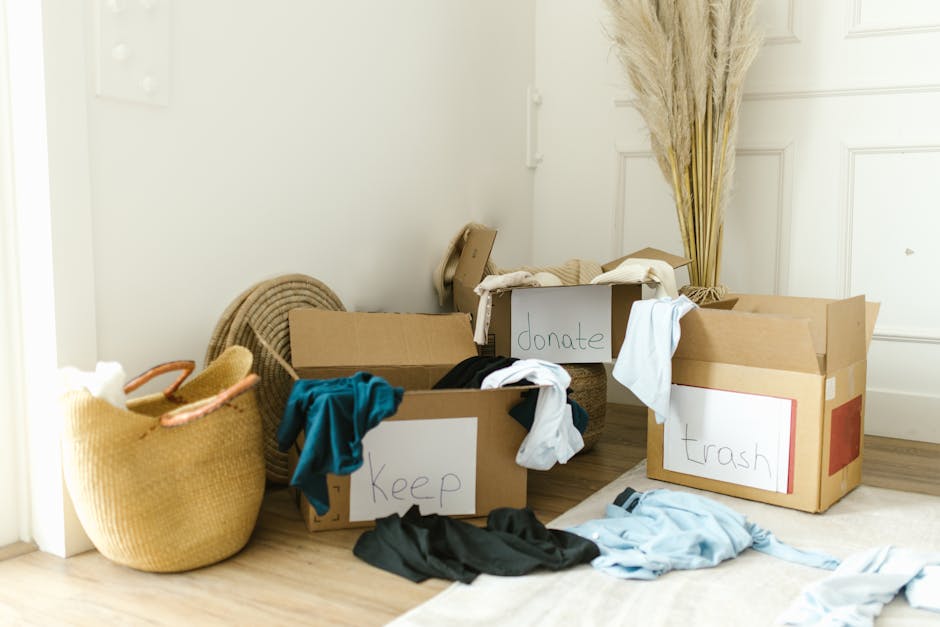
2. Use a four-pile system
- Keep: items going straight to the new place.
- Donate: clean, usable items someone else could genuinely use.
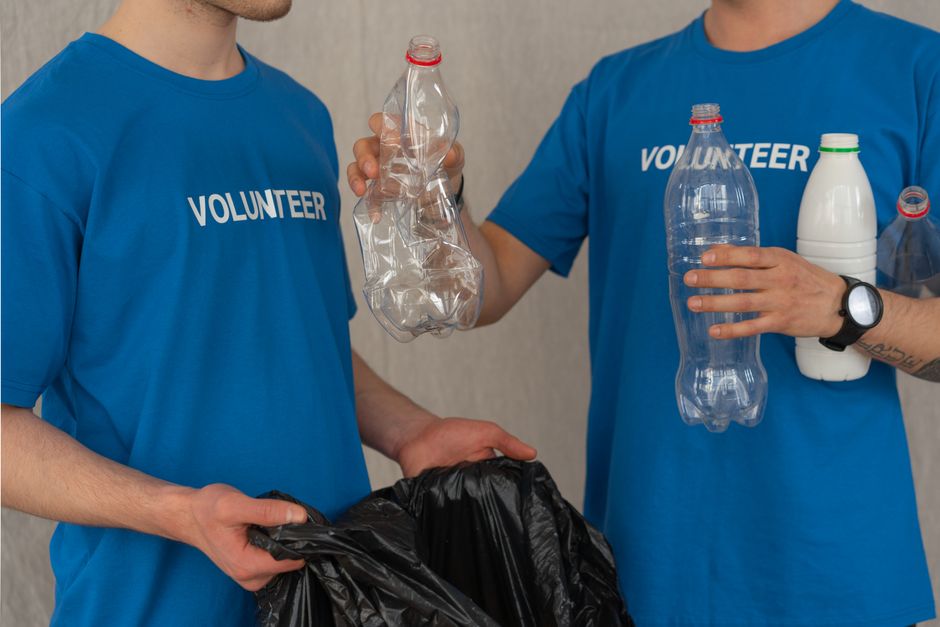
- Recycle: materials or items accepted for recycling where appropriate.
- Dispose: broken, contaminated, or unusable items.
This simple structure stops hesitation. You are not deciding the fate of the universe, just the next best destination for a chair or box. Small wins.
3. Be realistic about donation quality
Donation works best when items are complete, clean, and safe. A wobbly bookcase missing screws may not be useful to a charity shop or another household. A lamp that works, however, often has a second life. If you would be happy to receive the item yourself, it is probably donation-worthy.
4. Break down recyclable materials properly
Flatten cardboard boxes. Remove obvious non-recyclable extras like mixed plastic wrapping where possible. Keep paper, cardboard, and packaging separate from food-contaminated materials. If your move has generated lots of packaging, sorting it early saves a lot of mess later on.
5. Decide what is too bulky to DIY
Some items are awkward, heavy, or awkward and heavy, which is a terrible combination. Wardrobes, mattresses, exercise equipment, and large desks can be difficult to handle safely. If you need them collected, it may be worth using help from removal services or removal van support so the load is moved properly.
6. Pack reuse items separately
Put donation items in clearly labelled bags or boxes. Keep them away from general rubbish so they do not get mixed up at the last minute. If something is destined for storage or a later decision, label it clearly. Otherwise it will vanish into a moving-day black hole. We have all seen that happen.
7. Confirm the final route for each group
Before the moving date, know where each pile is going. Donated items should not sit in the hallway on moving morning. Recyclables should already be broken down. Rubbish should be bagged safely and responsibly. That clarity makes the handover smoother and cuts down on mistakes.
Expert Tips for Better Results
A few practical habits make a surprisingly big difference in eco friendly removals.
- Take photos of valuable items before donation or resale. This helps you remember condition and decide later if you need proof of what left the property.
- Use original packaging only when needed. For some fragile items, original boxes are useful. For ordinary household goods, overpacking just creates waste.
- Keep a small "last check" box. Chargers, documents, keys, and remotes have a habit of disappearing into the wrong pile.
- Donate in better condition than you think necessary. People are more likely to reuse clean, complete items. A quick wipe-down can help more than you expect.
- Plan for access. If your building has parking restrictions or tight entry points, timing and loading order matter. The less back-and-forth, the better.
One practical move people often miss: set aside a "materials rescue" pile. That means boxes, bubble wrap, and packing paper that are still usable for future use or for someone else's move. A lot of waste is created by packaging that could easily have had one more life.
And if you are arranging a larger relocation, a provider with a broader service range like home moves or house removals may be more helpful when your move needs a bit more structure around the sorting and transport.
Common Mistakes to Avoid
Most moving waste problems come from a handful of very ordinary mistakes. Nothing dramatic. Just rushed decisions.
- Leaving decluttering too late. If you sort on moving day, everything becomes "maybe". That is how clutter survives.
- Donating unsuitable items. Broken, dirty, or incomplete items can create more work for others.
- Mixing recyclable and non-recyclable packaging. Once everything is thrown into one bag, the recycling value drops fast.
- Forgetting bulky item planning. Sofas, wardrobes, and heavy furniture need a clear handling plan.
- Assuming storage solves sorting. Storage can buy time, yes. But it does not magically make unwanted items worth keeping.
Another common one: people keep items "just in case" because deciding feels tiring. Fair enough, moving is tiring. But if you are paying to transport and store things you do not really need, that is not eco-friendly, and it is rarely cost-effective either.
Tools, Resources and Recommendations
You do not need fancy equipment to move sustainably. A few basics do the job well.
- Strong labels or marker pens for donation, recycling, keep, and dispose piles.
- Reusable boxes or sturdy second-hand boxes for items that will travel again.
- Heavy-duty bags for textiles, soft furnishings, and general sorting.
- Blankets and covers for protecting reusable furniture during transit.
- Basic toolkit for dismantling furniture carefully and keeping fixings together.
If you expect a lot of packaging or a more involved move, you may also want a packing plan that avoids excess materials. Pages like packing and boxes and packing and unpacking services are relevant when you want the move to be organised, not just fast.
For people moving a workshop-style property, studio, or office setup, it can also help to look at office removals or commercial moves. Business relocations often generate different waste streams, especially paper, fittings, and furniture, so they benefit from a separate plan.
Law, Compliance, Standards, or Best Practice
When people hear "recycling" and "disposal", they sometimes jump straight to formal rules. In reality, the main point is simple: waste should be handled responsibly, and reusable items should not be treated as rubbish if they still have value.
In the UK, best practice is to keep waste streams sensible and avoid handing items to anyone who cannot manage them properly. If you are using a removals provider, it is reasonable to expect clear handling, careful loading, and honest communication about what can be transported, donated, or recycled. If you have specialist items or anything fragile, make sure those are discussed in advance. That is not being fussy. That is being smart.
For household moves, it is also wise to check any property-specific rules about access, loading bays, lift protection, or timing. London buildings can be wonderfully varied, which is a polite way of saying no two staircases seem to have been designed by the same person. A little planning prevents a lot of hassle.
Good providers will usually have their own service terms, safety expectations, and insurance approach. If those matter to you, it is sensible to review pages like insurance and safety, health and safety policy, and terms and conditions before you book anything.
Options, Methods, or Comparison Table
Different items need different routes. A quick comparison makes the decision easier.
| Item type | Best first option | Why it usually works | Watch out for |
|---|---|---|---|
| Good-quality furniture | Donate or reuse | Extends the item's life and reduces waste | Only donate if it is clean, safe, and complete |
| Cardboard and paper packaging | Recycle | Usually easy to flatten and separate | Keep it dry and free from heavy contamination |
| Broken small household items | Recycle if accepted, otherwise dispose responsibly | Some materials may still be recoverable | Mixed materials can be tricky |
| Bulky awkward items | Specialist removal or collection | Safer than trying to shift them alone | Measure access and protect walls/floors |
| Items you may need again soon | Short-term storage | Buys time without forcing a rushed decision | Do not store clutter just because it is easier today |
There is no single perfect route for every item. The sensible route is the one that keeps the item in use for as long as possible, with the least waste along the way. Simple, but not simplistic.
Case Study or Real-World Example
A typical Shacklewell flat move might go something like this. A couple is moving from a top-floor flat into a slightly larger place nearby. They have a wardrobe they no longer need, two bedside tables, a box of books, old kitchenware, and a stack of delivery boxes they had been saving "just in case".
Instead of packing everything as-is, they split the job over two evenings. The wardrobe and bedside tables are checked first. One table is solid and clean, so it is set aside for reuse. The other has damage at the base and is not worth passing on. Books are sorted into keep and donate piles. The cardboard boxes are flattened. A tangled bundle of packaging and worn textiles is separated carefully so the recyclable bits do not get contaminated.
On moving day, the load is smaller, the hallway is clearer, and the van is packed more efficiently. There is less rush, fewer decisions, and less waste. Nothing magical happened. They just made the sort-out part of the move instead of treating it like an afterthought.
That is usually the pattern with eco friendly removals: the win is cumulative. One bag saved here, one piece of furniture reused there, and suddenly the whole move feels cleaner and calmer.
Practical Checklist
Use this checklist a few days before your move. It keeps things honest.
- Sort each room into keep, donate, recycle, and dispose.
- Clean donation items so they are ready for the next owner.
- Flatten cardboard boxes and separate packaging materials.
- Set aside heavy or awkward items that need special handling.
- Label boxes clearly so nothing gets mixed up.
- Decide whether short-term storage would help with items you are not ready to deal with yet.
- Check access, parking, and loading space before moving day.
- Keep documents, keys, and chargers in a separate essentials bag.
- Review service details if you are using support from removal companies or a smaller-scale moving option.
- Do one final sweep of cupboards, loft spaces, and behind furniture.
Expert summary: the best eco friendly move is not the one with the most elaborate sustainability language. It is the one where useful items are kept in circulation, recyclable materials are separated properly, and the final load is genuinely smaller. That is the practical win. Everything else is just noise.
Get a free quote today and see how much you can save.
Conclusion
Eco friendly removals in Shacklewell are really about making good decisions early. Donate what still has life in it. Recycle what can responsibly be recycled. Dispose of only what truly needs to go. It sounds almost too simple, but that is often the best kind of system: easy to follow, realistic under pressure, and good enough to use on a busy moving week.
Whether you are moving a flat, a family home, a student room, or a business space, a greener approach can reduce stress as well as waste. And if you do it with a bit of structure, the process feels lighter from the start. Less chaos. Fewer bags. Better outcomes. Not bad for a few hours of sorting.
In the end, the goal is not perfection. It is a move that feels tidy, thoughtful, and properly handled. That is worth aiming for.
Frequently Asked Questions
What does eco friendly removals mean in practice?
It means moving in a way that reduces waste, reuses suitable items, and handles recyclable materials responsibly. In practical terms, that usually involves early decluttering, donation, recycling, and careful transport.
What items are best to donate before a move?
Clean, usable items such as solid furniture, working lamps, kitchenware, books, and household accessories are often the best donation candidates. If it is safe and something another person would genuinely use, it is worth considering.
Can I recycle cardboard boxes from a move?
Usually yes, if they are clean, dry, and not heavily contaminated. Flattening boxes first makes them easier to store, transport, or recycle. It also saves a surprising amount of space.
What should I do with broken furniture?
If it is beyond repair, it may need to be disposed of responsibly rather than donated. Some parts may be recyclable depending on material and condition, but bulky furniture often needs a clearer plan than ordinary household waste.
Is short-term storage useful for eco friendly removals?
Yes, sometimes. Storage can help if you are not sure about a few items or if completion dates do not line up neatly. Just avoid using storage as a way to postpone decisions forever. That never ends well.
How do I stop donation items getting mixed with rubbish?
Use clearly labelled boxes or bags and keep them in a separate corner of the property. The trick is to make the donation pile visibly different so it does not get swept into last-minute clearing.
What is the best way to handle bulky items during a move?
Measure them, plan the route out of the property, and use suitable help if needed. For awkward furniture and larger pieces, support from a removals service or furniture collection can be the safer option.
Do eco friendly removals take longer?
They can take a little more planning, but not necessarily more time overall. Sorting early usually saves time on moving day because you transport less and make fewer rushed decisions.
Are eco friendly removals more expensive?
Not always. In many cases, reducing the amount you move can lower waste handling and transport pressure. Costs depend on the volume, access, timing, and service type, so it is best to compare options carefully.
What is the biggest mistake people make with recycling during a move?
The biggest mistake is mixing recyclable materials with general rubbish. Once packaging, food waste, and mixed items are thrown together, recycling becomes much harder and often less effective.
Should I use a man and van service for a small eco friendly move?
Often yes, especially if you are moving a smaller load and have already sorted out what to donate or recycle. A flexible service can fit neatly around a compact, well-planned move.
How far in advance should I start sorting donation and recycling items?
Ideally at least a couple of weeks before the move, even if only in short bursts. Starting early keeps the process calmer and gives you time to make better decisions about bulky or sentimental items.
If you want a move that feels organised rather than overwhelming, start with one room, one pile, one decision at a time. Small steps really do add up, and on moving day that quiet bit of preparation is often what you notice most.