Chatsworth Road to Dalston removals tips for market days
Moving from Chatsworth Road to Dalston on a market day can feel like trying to thread a sofa through a busy cafe at lunch time. There are people everywhere, vans edging forward, deliveries being unloaded, and that one driver who seems determined to stop exactly where you need to turn. If you are planning a local move, the difference between a smooth job and a stressful one often comes down to timing, access, and a bit of local common sense. This guide shares practical Chatsworth Road to Dalston removals tips for market days so you can move with fewer delays, less lifting, and far less faff.
Whether you are moving a flat, a house, a single room, or just a few bulky items, the challenge is the same: market-day traffic changes the rhythm of the street. The good news? With the right preparation, you can still keep everything on track. Below you will find step-by-step advice, real-world moving considerations, and a few local strategies that help protect both your time and your belongings. If you are still in the planning stage, you may also find the company's services overview useful for understanding the type of support available.
Why Chatsworth Road to Dalston removals tips for market days Matters
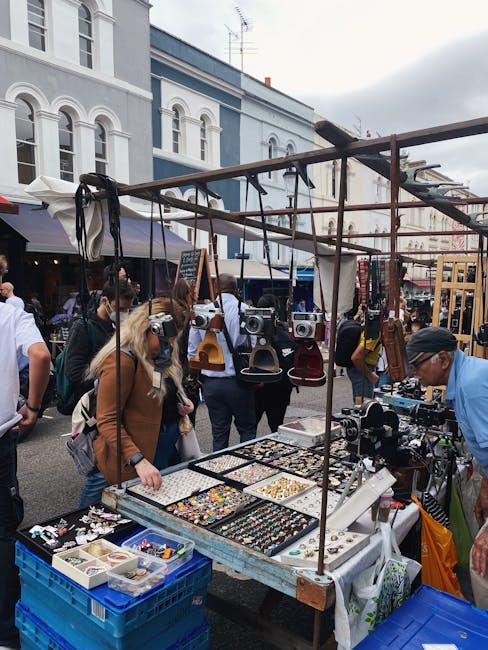
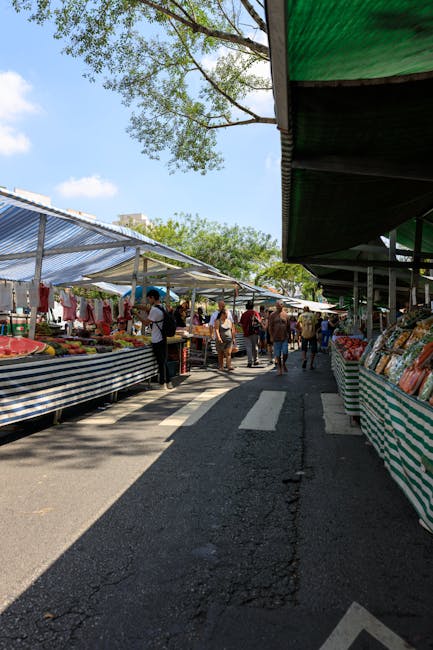
Chatsworth Road and Dalston are both lively parts of East London, and that liveliness is exactly what makes market-day removals trickier. On a normal day, a removal van may have reasonable access, but on a market day the street can become narrower in practice, even if the road itself has not changed. Stalls, shoppers, delivery vehicles, cyclists, and pedestrians all compete for space. That means a move which would otherwise be straightforward can suddenly take longer than expected.
Why does that matter so much? Because removals depend on momentum. If loading is interrupted by blocked access or a missed parking opportunity, the whole schedule can slide. That can lead to extra labour time, more waiting, a tired team, and a more anxious move overall. To be fair, nobody wants to be standing on the kerb at 9:30 in the morning wondering whether the mattress is ever going to make it to the van.
There is also a practical safety angle. Busy street conditions increase the chance of minor collisions, awkward lifting, and rushed decisions. The right approach helps reduce those risks. For heavy pieces or awkward furniture, it is often worth reviewing guidance on strategic solo lifting for heavy objects and, for especially delicate items, considering whether you need dedicated help through furniture removals in Shacklewell.
Key takeaway: on market days, a local move is less about distance and more about timing, access, and keeping the loading process calm enough to stay efficient.
How Chatsworth Road to Dalston removals tips for market days Works
The basic idea is simple: reduce uncertainty before moving day, then create a moving plan that matches the street conditions rather than fighting them. That means working backwards from the time you need to arrive, checking how market-day activity may affect parking and loading, and preparing every box and item so the van can be loaded quickly once access is available.
In practice, this usually involves four things: booking the right time slot, separating essential items from everything else, making sure the route is realistic for a van, and choosing the most sensible service level for your move. If you need a flexible same-day or short-notice option, a same-day removals service in Shacklewell may be useful, though it is always better to book ahead if you can.
For many local moves, a man-and-van style service is a smart fit because it can be more adaptable in tight urban settings. If your move is smaller or you need extra hands for loading, you may want to look at man and van services in Shacklewell or the more specific man with van option. The right choice depends on how much you are moving, how quickly the access window is available, and whether any items need special handling.
Key Benefits and Practical Advantages
Good planning on a market day is not just about avoiding stress, though that is a big part of it. It also creates practical gains that you notice immediately on the day. The van spends less time idling. Your belongings are less likely to get damp or dirty while waiting on the pavement. And your move feels organised rather than improvised, which honestly makes a huge difference when you are carrying boxes up and down stairs.
- Faster loading and unloading: if access is ready when the team arrives, they can work without long pauses.
- Lower risk of damage: fewer rushed lifts and fewer awkward detours around pedestrians or stalls.
- Better time control: you are less likely to run into a late handover or missed appointment.
- Less physical strain: the right preparation reduces repeated lifting, especially on narrow streets.
- More predictable costs: fewer delays usually mean less wasted time, which helps keep the job efficient.
There is also a quieter benefit: you feel more in control. That counts for a lot. If you are moving from a flat with limited stair access, the combination of market activity and bulky furniture can be a bit much, so using flat removals support in Shacklewell can make the whole process feel more manageable. For larger moves, house removals in Shacklewell may be a better fit.
Who This Is For and When It Makes Sense
This kind of planning is useful for anyone moving between Chatsworth Road and Dalston, but it matters most if your move involves tight timings, street-level loading, or items that need extra care. If you are a tenant moving out on a weekend, a student clearing a room, a flat-sharer juggling keys, or a family trying to fit a move around work and school, market-day disruption can quickly become the biggest headache.
It also makes sense if you are moving one or two large items rather than a full household. A sofa, bed, wardrobe, or piano can become tricky fast when a busy street limits how long the van can safely stop. For those kinds of moves, specialist support helps. You can read more about moving beds and mattresses properly and, for very heavy or fragile pieces, the article on professional piano movers is worth a look.
If you are still deciding whether you need help at all, ask yourself three questions: How much needs moving? How much time do I have on the street? And do I want to spend my energy managing parking, loading, and heavy lifting at the same time? Truth be told, most people answer that last one with a very quick no.
Step-by-Step Guidance
1. Check the market-day pattern before you commit to a time
Not every market day creates the same disruption. The busiest part of the day may be the first few hours when stalls are being set up, or later when footfall peaks. Before booking, look at when access is likely to be easiest. If possible, choose a slot that gives your van the best chance of arriving before the street becomes congested.
2. Match the van size to the job
Too small, and you risk multiple trips. Too large, and you may struggle with the street itself. For many urban moves, a mid-sized van is a practical sweet spot. If you are unsure, a local provider can advise whether a removal van in Shacklewell or a more flexible man with a van setup is better for your situation.
3. Pack for fast loading, not just storage
Boxes should be sealed, labelled, and grouped by room. Use stronger boxes for books and mixed household items. Keep fragile items separate and easy to identify. If you need a refresher on packing approach, the guide to packing efficiently for moving day is a solid starting point. You can also order supplies through packing and boxes in Shacklewell.
4. Clear the access route at both ends
Inside the property, remove anything that blocks the path from room to front door. Outside, make sure you know where items can be safely staged for a short period. If you have a hallway full of bits and pieces, deal with those first. A bit of decluttering can speed everything up; the article on preparing for a new home with effective decluttering is especially useful here.
5. Separate essentials and keep them with you
Things like chargers, medication, keys, kettle items, and documents should not disappear into the van in the first five minutes. Keep a small essentials bag or box aside. It sounds obvious, but on moving day obvious things vanish like socks in a washing machine. Happens all the time.
6. Book the time and delivery window carefully
If your access point is likely to be busy, ask for a realistic delivery and arrival window rather than a vague promise. Services that can deliver at the best time for you are especially useful when you need to fit around market activity or building access rules. If you are packing in advance and waiting for collection, the process described in package your items and wait for us to come may suit your schedule.
7. Finish with a calm sweep rather than a rushed scramble
At the end, do a room-by-room check, then a final walk to make sure nothing remains behind doors, under beds, or on window ledges. A short pause before leaving is worth it. That last five minutes can save a lot of frustration later.
Expert Tips for Better Results
There are a few practical habits that make a local market-day move noticeably easier. None of them are dramatic, but together they help a lot.
- Move the awkward items first: if a sofa, mattress, or wardrobe needs extra manoeuvring, get it out while the street is still quiet.
- Protect floors and door frames: even short moves can scuff paint or damage corners. Light covers and blankets help.
- Use one person as the point of contact: if everyone gives instructions at once, delays creep in fast.
- Keep the van load ordered: place heavier items first and stack lighter boxes where they will not crush.
- Take the weather into account: rain, glare, and wind can all make a short move slower and more awkward than expected.
- Build in a small buffer: even 20 minutes can save the day if there is unexpected crowding or loading friction.
For larger furniture, especially sofas that need protection during storage or transport, the article on successful long-term sofa storage is helpful. If you are clearing out the old place before handover, a proper clean is not a bad idea either; see leaving a clean home before you move.
One small pro move: label boxes by room and by priority. Kitchen essentials, bathroom basics, and overnight items should be obvious at a glance. It saves time, and honestly, it saves the nerves too.
Common Mistakes to Avoid
Most problems on market-day moves are predictable. That is the annoying part. The good news is that they are also avoidable.
- Booking too late in the day: by then, the street may already be crowded and loading space harder to find.
- Ignoring access restrictions: even informal busy periods can create real delays if the van cannot stop close enough.
- Underestimating the time needed: local moves feel short on paper, but loading and carrying take time.
- Leaving packing until the last minute: rushed packing leads to breakages and poor box organisation.
- Forgetting fragile or high-value items: some items need special handling or separate transport planning.
- Trying to carry too much yourself: that is how backs complain. Loudly.
There is also a subtle mistake people make: assuming the shortest route is the best route. On market days, the best route may be the one with slightly easier access, even if it is not the quickest on a map. A slightly longer approach can sometimes save much more time at the kerb.
Tools, Resources and Recommendations
The right tools can make a market-day move calmer, safer, and more efficient. You do not need a van full of specialist kit, but a few basics are worth having to hand.
| Tool or resource | Why it helps | Best used for |
|---|---|---|
| Sturdy boxes and tape | Keeps items secure during repeated lifting | Books, kitchenware, mixed household goods |
| Labels or marker pens | Makes unloading faster and more organised | Room-by-room sorting |
| Furniture blankets | Protects items from bumps and scratches | Sofas, tables, wardrobes |
| Ratchet straps or ties | Stops load movement in transit | Large furniture and stacked items |
| Gloves with grip | Improves handling and reduces slips | Heavy or awkward boxes |
| Trolley or dolly | Reduces lifting strain over short distances | Appliances and heavier boxes |
As for services, choose support that matches the size and complexity of the move. If you need a full residential move, removals in Shacklewell is the broader option. For more tailored help, removal services in Shacklewell can cover a range of needs. If your priority is quick transport with fewer people involved, a man and a van service may be the better fit.
If you are weighing up providers, you may also want to review pricing and quotes so you can understand what affects the estimate. And if sustainability matters to you, the company's recycling and sustainability page is worth a look, especially if you are decluttering as part of the move.
Law, Compliance, Standards, or Best Practice
For a move like this, the main compliance concerns are practical rather than complicated. You will want to think about parking, loading, access, handling, and the safe transport of belongings. If a public road is involved, always check whether stopping is realistic and lawful in the specific location. Local circumstances can change quickly, and market-day conditions may make a normally acceptable loading plan unworkable.
Good practice also means choosing a service that takes safety seriously. A reputable removal provider should use sensible loading methods, maintain proper insurance, and handle items in line with its own stated procedures. If you want to understand how safety and responsibility are approached, the insurance and safety information and health and safety policy are both helpful reference points.
There are also wider trust factors worth checking. Clear terms, secure payment handling, and transparent complaints procedures all matter, especially if you are booking under time pressure. It is not glamorous, but it is the sort of detail that tells you whether a company is organised. You can review the terms and conditions, payment and security, and complaints procedure for a clearer picture.
Options, Methods, or Comparison Table
If you are trying to decide how to handle a market-day move, the main choice is usually between doing more yourself or bringing in more support. There is no single right answer, but there is a right answer for your situation.
| Option | Best for | Pros | Trade-offs |
|---|---|---|---|
| DIY move with hired van | Small loads and flexible schedules | Lower direct cost, full control | You manage lifting, routing, and timing |
| Man and van service | Flats, small homes, single-item moves | Efficient, practical, adaptable | Less suitable for very large multi-room moves |
| Full removals service | Larger homes or complex loads | More support, less strain, better coordination | Usually more expensive and needs more planning |
| Same-day removals | Urgent situations | Fast response, useful when plans change | Availability can be limited on busy days |
For a move between Chatsworth Road and Dalston, the best choice often comes down to access rather than distance. A short journey can still be a demanding one if the loading point is tight. If you have bulky furniture, a time-sensitive handover, or a more complex flat move, it may be better to choose a service level that reduces lifting and waiting. That can be the difference between a controlled move and a scramble.
Case Study or Real-World Example
Here is a realistic example. Imagine a couple moving from a one-bedroom flat near Chatsworth Road into a Dalston apartment on a Saturday market day. They have a bed frame, a mattress, a small sofa, six medium boxes, and a few kitchen items. At first, they think the move will only take a couple of hours because it is local. Fair enough. It is only a short distance on paper.
But the market makes everything tighter. The van cannot wait where they expected. There are people walking past every few seconds, and the stairwell at the new place is narrow. The move still goes well, but only because they prepared properly: boxes were labelled, the bed was dismantled, the sofa was wrapped, and the arrival time was chosen to avoid the busiest part of the street. The loading team spent less time guessing and more time working.
What made the difference? Not luck. Planning.
They also arranged the move through a service that could fit around the day's timing rather than forcing a rigid slot. That meant fewer delays at the point where the van needed to stop. Small thing, big effect. If that kind of setup sounds familiar, you may want to contact the team directly and ask about the best moving window for your route.
Practical Checklist
Use this checklist the day before and the morning of the move. It is simple, but it works.
- Confirm your moving time and expected arrival window.
- Check market-day conditions for Chatsworth Road and nearby access points.
- Reserve or confirm parking/loading arrangements where possible.
- Pack and label all boxes by room.
- Separate fragile items and essentials.
- Dismantle large furniture if needed.
- Protect sofas, mattresses, and wooden surfaces.
- Keep keys, documents, chargers, and medication with you.
- Clear hallways, stairwells, and doorways.
- Do a final walk-through before leaving the property.
- Make sure someone is available to receive items at the destination.
- Have a backup contact number ready in case plans shift slightly.
If you want a gentler packing process, it can help to follow a structured approach like the guidance in how to keep your move stress-free and smooth. It is one of those articles you read the night before and then quietly thank yourself for the next morning.
Conclusion
Market-day removals between Chatsworth Road and Dalston do not need to be chaotic. The move becomes much easier when you plan around street conditions rather than pretending they will not matter. Choose a sensible time, pack with loading in mind, protect awkward items properly, and give yourself a little breathing room. That is the heart of good local moving. Simple, really, though not always easy.
For many people, the biggest relief comes from knowing there is a plan for the traffic, the access, and the heavy lifting. If you keep those three things under control, the rest of the move tends to fall into place more smoothly than expected. And if a bit of uncertainty remains, that is normal too. Most moves have a wrinkle or two. What matters is that it does not become a knot.
Get a free quote today and see how much you can save.
Frequently Asked Questions
What is the best time to move from Chatsworth Road to Dalston on a market day?
The best time is usually the quietest window you can reasonably secure, often before the busiest market activity starts or after the main rush. The exact timing depends on how the street is operating that day, so it is wise to build in some flexibility.
Can I still use a van if the street is very busy?
Yes, but the van may need a more careful arrival plan and quicker loading. The key is to avoid assuming you can park exactly where you want. A smaller or more adaptable vehicle is often easier in tight urban conditions.
Should I choose a man and van service for this route?
For many local moves, yes. A man and van service is often a good fit for flat moves, smaller households, and single large items. It gives you flexibility without committing to a larger setup than you need.
How do I stop my move from running late?
Pack early, label everything, clear access routes, and confirm your timing before moving day. The less decision-making you have to do on the day, the less chance there is of delays creeping in.
What items need the most care during a market-day move?
Sofas, mattresses, pianos, glass items, and anything bulky that has to be turned through narrow spaces. These are the pieces that often slow a move down if they are not prepared properly.
Is it worth dismantling furniture before the move?
Usually, yes, if it can be done safely. Dismantling larger items often saves time and reduces the risk of damage. Just keep screws, fittings, and instructions together in one labelled bag.
What should I pack separately and keep with me?
Keys, ID, chargers, medication, valuables, documents, and basic overnight items should stay with you. It is much easier than trying to locate them in a pile of boxes when you are tired.
How far in advance should I book a removal service?
As early as you can, especially if your move lands on a market day or weekend. Early booking gives you more choice on time slots and vehicle type, which is useful when access is tight.
What if I only need help with one or two large items?
That is a good time to consider a tailored service rather than a full house move. A removal van or man with van arrangement can be more efficient for limited loads and awkward furniture.
Are there special safety concerns on busy market days?
Yes. You need to think about pedestrians, sudden stops, loading hazards, and lifting in confined areas. Safety matters more when the street is active because small mistakes become more likely.
Can I store items if my timing does not line up perfectly?
Yes, temporary storage can help if you have a gap between leaving one place and entering another. It is especially useful if access windows are awkward or if you are waiting for keys. For that, the storage options in Shacklewell may be worth exploring.
How do I get an accurate quote for a market-day move?
Be clear about the collection point, destination, item list, access conditions, and timing constraints. The more detail you give, the better the quote will reflect the real job rather than a rough guess.